Building Better APIs: Essential Tips and Tricks
Introduction:
In the digital age, Application Programming Interfaces (APIs) serve as the backbone of modern software development, enabling seamless communication between different applications and systems. Whether you’re a seasoned developer or a newcomer to the tech world, understanding APIs is essential. This comprehensive guide will walk you through everything you need to know about APIs, from the basics to best practices, with detailed examples covering various scenarios.
Basics of APIs
What is an API?
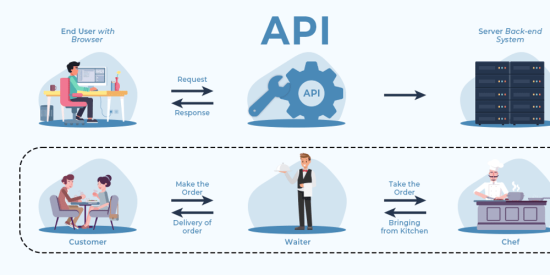
An API, or Application Programming Interface, is a set of rules and protocols that allows different software applications to communicate with each other. It defines how requests and responses should be formatted, making it easier for developers to integrate functionalities from one application into another.
How do APIs work?
APIs work by exposing endpoints that other applications can interact with. These endpoints define the operations that can be performed and the data that can be accessed. When a request is made to an API endpoint, the API processes the request and returns a response, typically in a standardized format such as JSON or XML.
Types of APIs:
- RESTful APIs: Representational State Transfer (REST) APIs are based on a set of architectural principles that use standard HTTP methods like GET, POST, PUT, and DELETE to perform CRUD (Create, Read, Update, Delete) operations on resources.
- SOAP APIs: Simple Object Access Protocol (SOAP) APIs use XML-based messaging protocols for communication. They are known for their strong typing and extensive standardization.
- GraphQL APIs: GraphQL is a query language for APIs that allows clients to request only the data they need. It provides a more flexible and efficient alternative to traditional REST APIs.
Example:
Suppose you want to retrieve weather data from a remote server. You can use a weather API by sending a request to a specific endpoint with parameters like location and date. The API will process your request and return the weather forecast in the desired format.
import requests

url = "https://api.weather.com/forecast"
params = {"location": "New York", "date": "2023-12-29", "units": "metric", "apikey": "your_api_key"}

response = requests.get(url, params=params)
weather_data = response.json()

print(weather_data)
Best Practices for API Development
1. Designing Intuitive APIs:
MECE Principle: Mutually Exclusive, Collectively Exhaustive – Follow this principle to ensure that each endpoint serves a specific purpose without overlapping functionalities. This makes the API easier to understand and use.
2. Versioning:
When making changes to an API, always use versioning to avoid breaking existing integrations. Include the version number in the API endpoint (e.g., /v1/resource) and clearly document any changes in the API documentation.
3. Authentication and Authorization:
Secure your APIs by implementing authentication and authorization mechanisms. Use tokens, API keys, or OAuth to authenticate users and restrict access to authorized parties only.
4. Error Handling:
Handle errors gracefully by providing informative error messages and appropriate HTTP status codes. This helps developers troubleshoot issues more efficiently and improves the overall user experience.
5. Rate Limiting:
Implement rate limiting to prevent abuse and ensure fair usage of your API resources. Set limits on the number of requests a user can make within a specific time frame and provide mechanisms for users to request higher limits if needed.
FAQ Section
Q: What is the difference between an API and a library?
A: An API defines a set of rules and protocols for communication between different software applications, while a library is a collection of pre-written code that provides specific functionalities for developers to use within their own applications.
Q: Can APIs be used for data integration?
A: Yes, APIs are commonly used for data integration purposes, allowing applications to exchange data seamlessly across different systems and platforms.
Q: How do I choose the right API for my project?
A: When choosing an API for your project, consider factors such as functionality, documentation quality, reliability, scalability, and cost. Look for APIs that align with your project requirements and provide good developer support.
Conclusion:
In conclusion, APIs play a crucial role in modern software development, facilitating seamless communication and integration between different applications and systems. By understanding the basics of APIs and following best practices for API development, developers can create robust and reliable APIs that enhance the functionality and interoperability of their applications.
By incorporating these principles and practices into your API development workflow, you can ensure that your APIs are intuitive, secure, and scalable, ultimately delivering a better experience for both developers and end-users.
This comprehensive guide covers everything you need to know about APIs, from the fundamentals to advanced best practices, with detailed examples and FAQs to help you deepen your understanding. Whether you’re building APIs from scratch or integrating existing ones into your projects, this guide will serve as a valuable resource to navigate the complex world of API development.