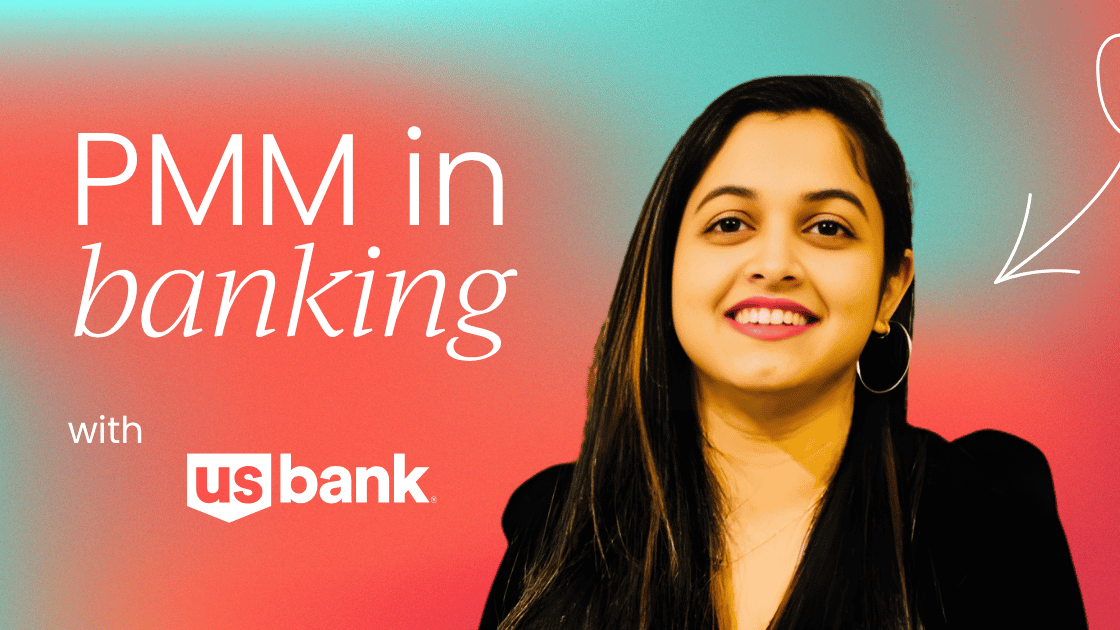
Let’s go back down memory lane to a busy Tuesday morning a few months ago at a suburban bank branch. I was sitting beside a banker, observing their day-to-day, and came across a small business owner who had walked in not for a new financial product, but out of concern, as she was getting multiple scam calls and emails, and she wanted to know that her money was safe with us, and how we could help her fight scams.
The banker calmed her down, gave her reassurance about her balance, and some tips on how she can be proactive in fighting the scams that are way too real. The customer left the branch comforted by the fact that she can trust her bank and that the people are invested in her and her finances’ well-being.
It was at that point that I had a profound realization: in the world of AI, personalization, and economic uncertainty, features are no longer what set products apart. Technology can be replicated. Pricing can be matched. Even customer experience can be imitated.
But trust? Trust is the rarest of all, and this lesson is felt deeply in banking. Every day, people walk into banks and hand over not just their money, but their personal information, their dreams, and hopes for the future.
Banking products evolve all the time, but ultimately, customers are buying peace of mind. They want to feel secure and want to know they can trust you. That’s what they’re really investing in.
Over the years, as I helped launch new banking products in a world where regulations are strict and competition is fierce, I learned some hard-earned lessons about building and keeping buyer trust. Let me tell a few of those stories and what they taught me.
Lesson 1: Design trust into the product
In a world filled with information and misinformation, customers judge companies by what they experience, not by what they’re told. As AI reshapes how we do business, I’ve seen firsthand that the most successful banks don’t just talk about trust; they build it into every product, making it a living, breathing part of the customer journey.
I remember a marketing meeting where someone suggested a flashy campaign to “build trust.” But a veteran banker shook his head and said, “Trust isn’t something you can advertise your way into.” He was right. In banking, trust must be felt during every interaction: when a customer logs into a secure platform, when they see clear and transparent fees, or when they call for help and someone picks up the phone. That’s where trust lives, not in the slogan, but in the details.
What this means:
- Build security, privacy, and reliability into the product.
- Ensure pricing, policies, and outcomes are transparent.
- Provide dependable support when problems occur.
- Measure trust through customer satisfaction, complaint rates, retention, and repeat usage.
Trust isn’t a marketing campaign. It’s a feature, maybe the most important one your product can have.
Lesson 2: Authenticity is everything
I’ll never forget the first time a customer asked me, point-blank, if our latest recommendation was coming from a real banker or an algorithm. Skepticism scales along with the rising power of AI. Marketers love buzzwords and big claims, but that’s not how clients really want to feel about a deal.
Reliability, transparency, and a sense that real people are behind the curtain are not present in this type of message. I’ve seen companies scramble with automation to automate everything, only to discover the trust gap continues to deepen.
The questions start to open: Was this created by a human? How is my data getting used? Is this recommendation for me, or for the company’s bottom line?
What this means:
- Clearly disclose the use of AI.
- Focus on simple, engaging content.
- Give customers control over AI-driven experiences.
- Be transparent regarding data collection and usage.
The more advanced the technology, the more you need to double down on trust and honesty. Customers can tell the difference, and they reward brands that are open about how things really work.
Lesson 3: Simplicity builds confidence
In banking, it’s an old saying: if a customer cannot explain it to their grandmother, it is too complicated. The new product marketer who wins the day is the one who can take a confusing, tangled mess of features and workflows and make it all so straightforward that they simply function. We have found that when you take the mystery out of the product, satisfaction and trust grow.
In our case, we invested countless hours rethinking complicated forms, redesigning clunky apps, and sitting with customers to walk them through new tools. It wasn’t merely about convenience; it was about confidence. Trust happens naturally when people understand how things work.
What this means:
- Streamline customer journeys and workflows.
- Remove unnecessary steps that create friction.
- Say it in everyday language, not technical jargon.
If customers cannot understand a product, they are unlikely to trust it.
Lesson 4: Product marketers are trust stewards
I used to think my role as a product marketer was all about messaging and launches. But eventually it was clear: my true job was really to be a steward of trust. That meant asking hard questions; questions that go well beyond clicks and conversion rates.
- Does this new feature really solve a customer problem?
- Is our messaging transparent?
- Are we raising false expectations?
- Are customers informed of how the choices are taken?
- Are we eliminating things and simplifying them or complicating them?
Banking stands as a prime example of this philosophy.
What this means:
Marketers must ask, beyond positioning and launches:
- Does this functionality address an actual customer issue?
- Are we being transparent?
- Are expectations realistic?
- Can customers understand how decisions are made?
- Are we simplifying or making things more complicated?
Modern product marketing is as much about trust management as it is growth.
Lesson 5: Trust fuels adoption and loyalty
When our bank launched a new digital tool, we didn’t just roll it out and hope for the best; our team dedicated weeks to sitting down with customers, showing them how it worked, and answering every question, no matter how small. We were honest about what the product could and couldn’t do. Instead of making big promises, we focused on making people feel safe and understood.
What this means:
- Start new and offer hands-on support and guidance.
- Address limitations and benefits; be candid and specific about the advantages and scope of your product.
- Listen to concerns constructively and offer customers a sense of security.
Trust is your lifeblood. No advertising campaign can do more to stimulate adoption and loyalty than trust. Customers are more likely to experiment with what they are using and stick with your product when they feel safe.
Final thought: The lasting power of trust
Returning to all the stories and lessons about banking, one truth seems indelible: trust is the product. We discovered that you could have the latest technology, great features, and smart pricing, but if people don’t trust you, none of it matters.
At all times, every lesson – whether how to grow trust in the product, be real, or keep it simple, be a steward of trust, or walk people through change – boils down to creating a space where people feel safe, where they are respected, and where they are understood.
In the era of AI, when anyone can imitate your features or come up with a lower price, it’s the human factor and the trust that you gain that defines you. Customers know who was there for them, who was upfront, and who made it easier to follow along.
So, as you build, launch, and sell products, remember people are not only paying for what you’ve created, but they’re buying into your belief that you will keep your word. That’s the secret that transforms customers into loyal fans and products into lasting brands.
![how-to-build-jira-rules-that-create-subtasks-for-issues-[tutorial]](https://prodsens.live/wp-content/uploads/2022/10/4421-how-to-build-jira-rules-that-create-subtasks-for-issues-tutorial-380x250.jpg)