Construction teams rarely struggle because people lack expertise. Delays, cost overruns and design conflicts often appear because key decisions happen in separate silos. Owners, architects and contractors may all be working toward the same outcome while operating with different priorities and information.
That challenge is one reason integrated project delivery has gained attention across the construction industry. Instead of pushing work from one phase to another with limited collaboration, the approach brings major stakeholders together earlier so planning, design and execution decisions happen as a connected effort.
What Is Integrated Project Delivery (IPD)?
Integrated project delivery is a construction project delivery method used to align owners, designers and contractors through shared collaboration and project goals. It is commonly used in construction projects to improve coordination, reduce design conflicts and support faster decision-making across the project lifecycle.
Unlike traditional delivery methods that separate responsibilities into stages, IPD encourages early involvement from key participants and often uses shared risks and rewards. Teams work together from project planning through project completion to improve cost control, scheduling and overall project outcomes.
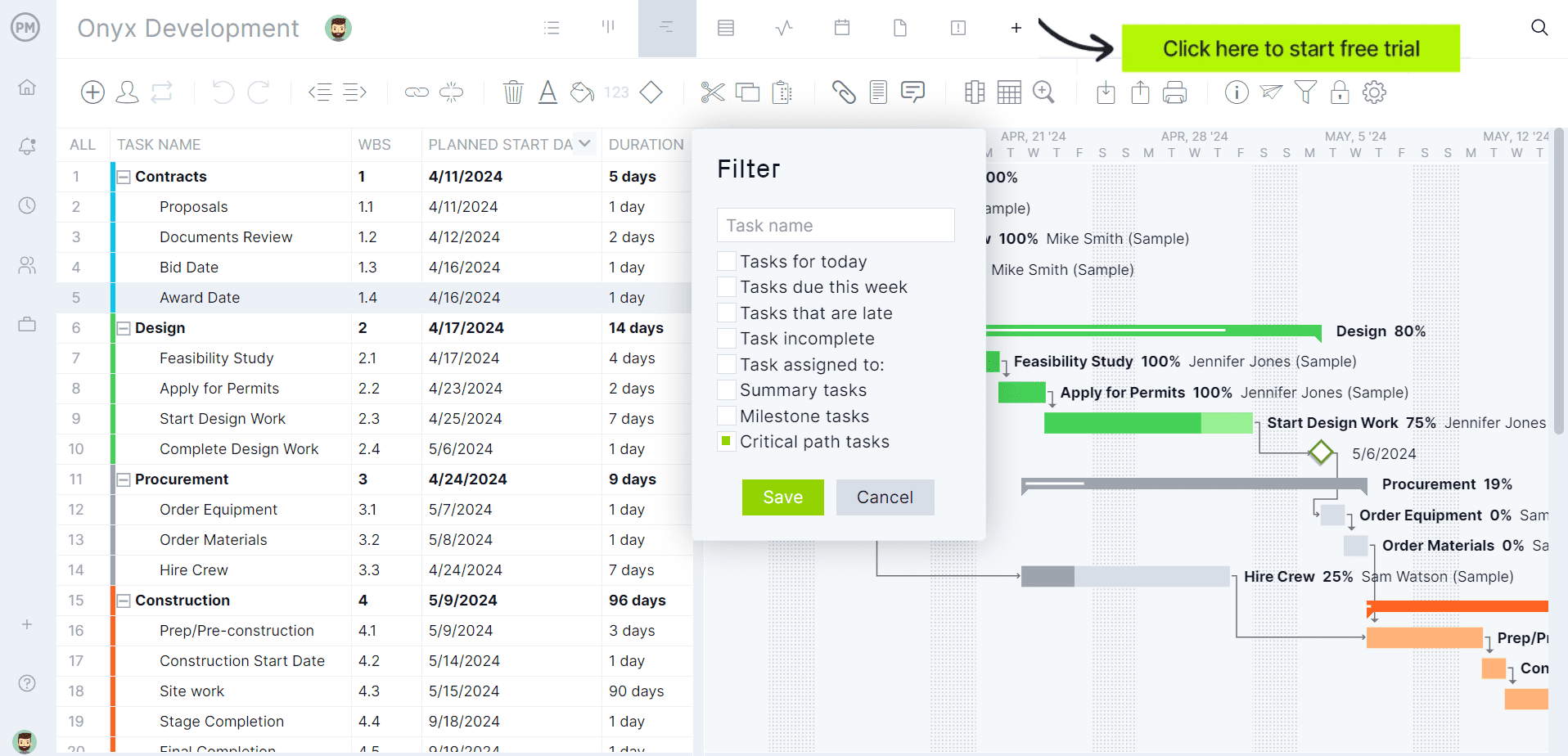
ProjectManager is award-winning construction project management software that gives construction companies tools to ensure projects are completed on time, within budget and within scope. It allows project managers to create detailed construction schedules, estimate costs, allocate resources, set budgets, track progress and compare estimated versus actual project outcomes using real-time dashboards and reports to quickly identify delays or cost overruns. Get started with ProjectManager for free today.
When to Use the Integrated Project Delivery Method?
Large and technically demanding construction projects usually benefit the most from the integrated project delivery method. Projects with specialized systems, strict scheduling requirements and many disciplines working simultaneously often require stronger collaboration. Early coordination becomes especially valuable when design changes, trade conflicts or construction delays could create major cost and schedule impacts.
- Hospitals and healthcare facilities with specialized medical equipment, mechanical systems and strict operational requirements
- Airports requiring coordination between infrastructure systems, utilities, security systems and phased construction activities
- Data centers with complex electrical systems, cooling requirements and highly sensitive operational environments
- Large mixed-use developments combining residential, retail, office and public-use spaces into one project
- Advanced manufacturing facilities involving specialized equipment installation and extensive coordination among multiple trades
Who Participates In the Integrated Project Delivery Method?
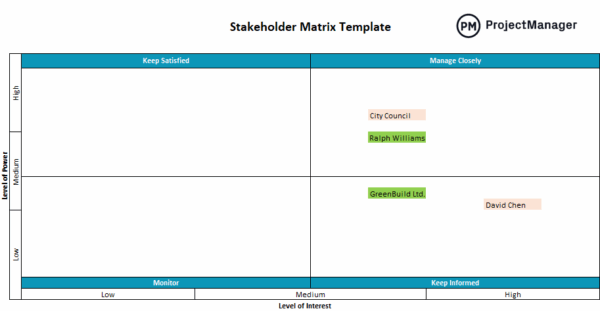
Success within integrated project delivery depends on involving key stakeholders early and keeping them engaged throughout planning, design and construction activities. Each participant contributes expertise that influences project decisions, budget performance and schedule execution.
- Project owner: Establishes project objectives, funding requirements and business goals while helping guide major decisions throughout the project lifecycle.
- Architect: Develops building designs and collaborates with contractors and engineers early to reduce constructability issues and design conflicts.
- General contractor: Provides construction expertise during planning stages and helps evaluate schedules, logistics, labor needs and costs.
- Engineers: Design structural, mechanical, electrical and plumbing systems while coordinating technical requirements across multiple disciplines.
- Trade contractors: Offer specialized expertise in systems installation and provide practical feedback that improves construction planning and execution.
- Project managers: Coordinate communication, track progress, manage project timelines and help keep teams aligned with project goals.
Integrated Project Delivery Construction Process
Unlike traditional construction delivery methods that separate work into isolated phases, integrated project delivery emphasizes collaboration from the beginning of the project lifecycle. Key stakeholders participate earlier, share information and coordinate decisions continuously. The process below outlines the major stages commonly associated with integrated project delivery and how teams work together to improve planning, reduce conflicts and support project performance.
1. Project Definition and Owner Requirements
Projects begin by establishing the owner’s objectives, operational needs and project expectations before major design work starts. Teams define requirements involving budget targets, building performance, quality standards, schedule constraints and long-term goals. Rather than creating isolated requirements that become fixed later, this stage creates a foundation that guides decisions across design and construction activities while helping all participants understand what project success should look like.
2. Early Team Formation and Stakeholder Alignment
One major difference in integrated project delivery is the involvement of key participants during the early planning stages. Owners, architects, engineers, contractors and specialized trade partners collaborate before design decisions become difficult or costly to change.
Bringing teams together early improves communication and creates alignment around project goals, reducing the likelihood of conflicting priorities, duplicated work and coordination issues during later project phases.
3. Risk and Reward Structure Development
Traditional construction agreements often separate responsibilities and distribute risk independently among participants. Integrated project delivery commonly uses shared agreements that align incentives across stakeholders. Project teams establish structures that determine how risks, costs and rewards are allocated throughout the project. Linking outcomes to collective performance encourages collaboration and supports decisions that benefit overall project objectives rather than individual organizational interests.
4. Integrated Design Development
During this phase, design activities move beyond isolated architectural planning and become a collaborative effort involving multiple disciplines. Architects, engineers, contractors and trade specialists contribute technical input while designs are still evolving. Early collaboration helps identify potential challenges before they affect construction activities. As designs mature, teams refine building systems, evaluate alternatives and improve coordination between project requirements and construction realities.
5. Constructability and Systems Coordination
As project details become more defined, teams analyze how designs will function during actual construction. Reviews focus on identifying conflicts between structural, electrical, mechanical and plumbing systems before work begins on-site. Contractors and trade partners contribute practical field expertise that may reveal installation challenges or sequencing issues. Addressing these concerns early reduces rework, prevents delays and supports more efficient construction activities.
6. Collaborative Budgeting and Schedule Planning
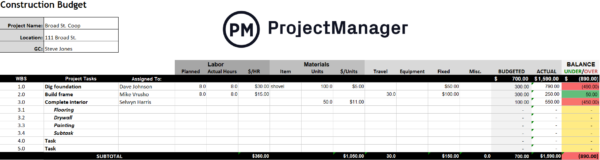
Cost planning and scheduling activities are developed through shared participation rather than being created independently by one party. Teams review project milestones, labor requirements, material needs and construction sequencing while evaluating their impact on budget performance. Early coordination allows stakeholders to identify potential cost pressures and schedule risks. This approach supports more realistic project plans and improves visibility across major project activities.
7. Coordinated Construction Execution
Once construction begins, project participants continue working through coordinated communication and ongoing collaboration. Teams monitor progress, address field conditions and resolve issues while maintaining alignment with project objectives. Information sharing remains active throughout execution instead of relying on isolated handoffs between phases. Maintaining collaboration during construction helps improve decision-making and reduces disruptions that could affect cost or schedule performance.
8. Performance Evaluation and Continuous Improvement
Project performance is monitored throughout construction and after major milestones are completed. Teams evaluate schedule performance, cost results, quality outcomes and operational objectives to determine whether project goals are being achieved. Reviewing project data and team performance also creates opportunities to identify process improvements. Lessons learned during one stage can influence future decisions and support stronger outcomes across the remaining project lifecycle.
Integrated Project Delivery Example
A regional healthcare organization plans to build a new six-story medical facility that includes emergency treatment areas, surgical suites, imaging departments and outpatient services. Because healthcare buildings contain complex systems and strict operational requirements, the owner selects integrated project delivery instead of a traditional construction delivery approach. The goal is to improve coordination and reduce costly changes during construction.
Before design work progresses significantly, the project owner, architects, engineers, general contractor and major trade contractors become involved in planning discussions. Mechanical, electrical and plumbing specialists participate early because the building will require sophisticated systems that support medical equipment, ventilation requirements and backup power infrastructure. Rather than waiting for designs to be completed, these participants contribute practical expertise while concepts are still developing.
| Project Participant | Primary Responsibility | Contribution to IPD |
| Project Owner | Define project goals and funding requirements | Aligns decisions with business and operational objectives |
| Architect | Develop building design and layouts | Coordinates design decisions with project requirements |
| General Contractor | Manage construction activities | Provides construction planning and execution expertise |
| Trade Contractor | Install specialized systems | Identifies field constraints and installation considerations |
As design activities move forward, project participants work together to review floor layouts, building systems and construction sequencing. During coordination meetings, engineers identify space limitations involving mechanical equipment placement within ceiling areas. Trade contractors discover that portions of the original design could create installation conflicts between electrical conduits and HVAC systems.
Because those issues are identified early, design adjustments occur before construction begins. The project team modifies layouts, revises equipment locations and updates scheduling activities without creating expensive field changes later in the project. Teams also continuously review project costs and schedule performance as designs evolve, allowing potential issues to be addressed before they affect major milestones.
| Project Component | Initial Requirement | Revised Decision Through IPD |
| HVAC system | Install rooftop units | Relocated equipment for easier maintenance access |
| Electrical layout | Standard conduit routing | Adjusted routing to avoid mechanical conflicts |
| Construction sequence | Traditional trade scheduling | Resequenced activities to reduce delays |
| Material delivery | Single bulk delivery | Phased deliveries matched installation schedules |
Construction begins with participants maintaining regular communication rather than transferring responsibilities from one phase to another. Project managers, contractors and trade teams continue coordinating activities and resolving problems as conditions change on-site.
| Project Metric | Planned Value | Actual Result |
| Project duration | 24 months | 23 months |
| Budget | $65 million | $63.8 million |
| Design conflicts | 15 projected conflicts | 4 identified conflicts |
| Change orders | 12 expected changes | 5 approved changes |
By the end of the project, the healthcare organization receives a completed facility with fewer design conflicts, improved schedule predictability and stronger alignment between project requirements and construction outcomes.
Integrated Project Delivery Pros
Construction projects often experience problems when design, planning and construction teams operate independently. Integrated project delivery creates stronger collaboration by involving key participants earlier and keeping them aligned throughout the project lifecycle. Early coordination can reduce communication gaps, improve decision-making and help teams identify issues before they become expensive field problems that affect budgets, schedules and overall project performance.
- Early involvement from contractors and trade partners helps identify design conflicts before construction activities begin.
- Shared communication among project participants improves coordination between architectural, structural and building system decisions.
- Greater visibility into project information helps teams detect schedule risks and budget issues earlier.
- Collaborative planning reduces the likelihood of costly rework caused by late-stage design changes.
- Shared project goals encourage decisions that prioritize overall project performance instead of individual interests.
- Continuous coordination between disciplines can improve construction sequencing and reduce delays between activities.
- Early constructability reviews help prevent installation problems that commonly appear during field execution.
Integrated Project Delivery Cons
Not every construction project requires the level of collaboration and coordination associated with integrated project delivery. Smaller projects or projects with simple requirements may not justify additional planning efforts or multi-party agreements. Organizations unfamiliar with collaborative delivery methods can also experience challenges when adapting to shared responsibilities, communication expectations and decision-making processes across multiple stakeholders.
- Developing shared agreements and risk structures can create additional legal and administrative complexity.
- Early involvement of multiple participants may increase planning costs before construction work begins.
- Organizations accustomed to traditional delivery methods may struggle with collaborative decision-making processes.
- Large groups of stakeholders can sometimes slow project decisions when consensus becomes difficult to achieve.
- Sharing risks and rewards may create uncertainty for participants unfamiliar with integrated contract structures.
- Smaller construction projects may not receive enough value to justify the added coordination effort.
- Strong communication requirements can become difficult when participants have conflicting priorities or limited availability.
Free Construction Project Management Templates
We’ve created dozens of free construction project management templates for Excel, Word and Google Sheets.
Project Execution Plan Template
Download this free project execution plan template for Excel to define project objectives, establish workflows, assign responsibilities and document procedures that keep construction teams aligned throughout planning and execution activities.
RASCI Matrix Template
Download this free RASCI matrix template for Excel to clarify roles, assign responsibilities and improve communication among owners, contractors, engineers and other construction stakeholders involved in projects.
Risk Management Plan Template
Download this free risk management plan template for Excel to identify construction risks, document response strategies and monitor potential issues that could affect project costs, schedules or performance.
ProjectManager Is an Award-Winning Construction Project Management Software
ProjectManager is award-winning construction project management software built to support projects from preconstruction through closeout. It includes a robust set of features such as Gantt charts, timesheets, workload management charts and real-time dashboards and reports. The platform also offers unlimited cloud-based document storage and AI-driven project insights that help teams manage construction documents and track project activities.
For construction firms using ERP systems, ProjectManager also offers a native integration with Acumatica that connects project operations with financial data. Teams can synchronize project costs, budgets, resources, task information and timesheets between both platforms through a bi-directional connection. This allows project teams to manage schedules and execution activities in ProjectManager while finance teams continue working within Acumatica, reducing manual data entry and providing real-time visibility into project performance and financial impact across the portfolio. Watch the video below to learn more!
ProjectManager is online construction project management software that empowers teams to plan, manage and track their projects in real time. We connect architects and engineers in the office with your work crew on the job site so they can share files and comments to foster better collaboration. Get started with ProjectManager today for free.
The post Integrated Project Delivery In Construction: Pros & Cons appeared first on ProjectManager.