Many companies turn to robotic automation due to labor shortages in high-mix surface finishing tasks, such as sanding and polishing, which often experience high turnover rates. Recent advancements in AI and smart robotic cells enable robots to self-program from task descriptions, using 3D vision and force sensors to perform complex operations autonomously, benefiting surface-finishing companies.
How AI-Powered Robotic Automation Impacts Manufacturing Quality



Related Posts
3 Reasons You Should Stop Putting Off Creating Standard Work
If you run any manufacturing operation, you already know your most significant expense is your people. And we…

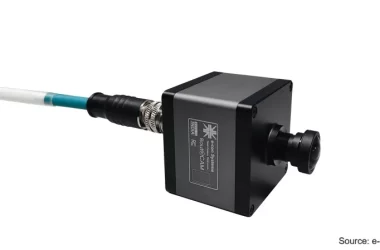
e-con Systems ONVIF-Compliant 4K HDR GigE Camera
e-con Systems® introduced the ONVIF-compliant 4K HDR GigE Camera – RouteCAM_CU86 – built with the Sony STARVIS 2…
Prophesee Appoints Ferré CEO
Prophesee announced the appointment of Jean Ferré as Chief Executive Officer.